
Issue, July, 2026
Newsletter
Conceptual Medicine Newsletter
Must-Watch Conceptual Medicine Sessions You Shouldn’t Miss
Strengthening Clinical Concepts, One Session at a Time
Medicine is all about connecting clinical signs with the right diagnosis and management. This month, Conceptual Medicine brings together expert-led sessions that simplify complex topics through practical explanations, clinical reasoning, and exam-focused discussions.
From understanding CNS infections and interpreting CSF findings to mastering disorders of sexual differentiation, renal physiology, and multiple myeloma classification, this month’s learning sessions are designed to help medical students, residents, and practicing doctors build stronger concepts that can be applied both in examinations and real-life clinical practice.
Featured In-App Session of the Month
CNS Infections Explained | Meningitis, CSF Analysis & Key Differentiating Points By Dr. Dilip Kumar
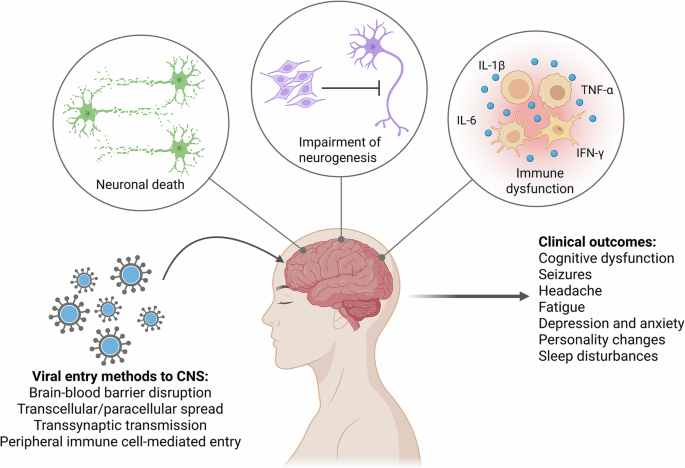
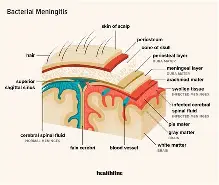
CNS infections remain one of the most important topics in Internal Medicine because they demand early diagnosis and timely treatment. In this comprehensive session, Dr. Dilip Kumar explains the complete approach to meningitis, from understanding its basic definitions to interpreting cerebrospinal fluid (CSF) findings that help differentiate between bacterial, viral, tuberculous, and fungal infections.
What You’ll Learn
This session begins by building the foundation of CNS infections and gradually moves towards clinically important concepts that every medical student and resident should know.
Some of the major discussions include:
- Difference between meningitis and meningism
- The classical clinical triad of meningitis
- Classification of meningitis into acute, subacute, and chronic forms
- Step-by-step interpretation of CSF analysis
- How CSF glucose, protein, cell count, and appearance help identify different types of meningitis
- High-yield differentiating points frequently asked in entrance examinations
- Practical clinical approach to patients presenting with suspected CNS infection
Clinical Insight
One of the biggest challenges during emergency postings and examinations is differentiating various causes of meningitis based on CSF findings.
A simple way to remember the common patterns:
Type of Meningitis | Predominant Cells | CSF Glucose | CSF Protein | Appearance |
Bacterial | Neutrophils | Markedly decreased | Increased | Turbid |
Viral | Lymphocytes | Usually normal | Mildly increased | Clear |
Tuberculous | Lymphocytes | Decreased | Increased | Slightly cloudy |
Fungal | Lymphocytes | Decreased | Increased | Clear to cloudy |
Recognizing these patterns can significantly improve diagnostic accuracy and helps guide early management before culture reports become available.
Key Takeaways
After completing this session, learners will be able to:
- Understand the pathophysiology of meningitis.
- Identify the important clinical features of CNS infections.
- Interpret CSF reports confidently.
- Differentiate common causes of meningitis using laboratory findings.
- Solve exam-based clinical questions with better conceptual clarity.
📺 Watch the complete session on our YouTube channel.
For more such clinically relevant and concept-based learning sessions, subscribe to Conceptual Medicine and continue learning from expert faculty.
Other Learning Highlights This Month
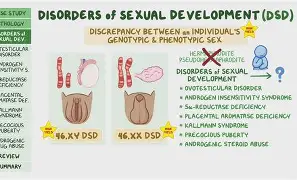
Disorders of Sexual Differentiation (DSD) MCQs by Dr. Priyadarshini
This high-yield revision session focuses on Disorders of Sexual Differentiation through clinically oriented MCQs. Rather than memorizing isolated facts, the discussion explains the reasoning behind every answer, making difficult concepts easier to understand.
Topics covered include:
- Clinical approach to ambiguous genitalia
- Classification and diagnosis of DSD
- Congenital adrenal hyperplasia (CAH)
- Androgen Insensitivity Syndrome (AIS)
- 5α-reductase deficiency
- Gonadal dysgenesis
- Turner syndrome and Klinefelter syndrome
- Important karyotypes and examination pearls
An excellent revision session for NEET PG, NEET SS, and postgraduate entrance examinations.
Sodium & Water Disorders Explained by Dr. A. S. Nath
Understanding renal physiology becomes much easier in this session, where Dr. A. S. Nath explains how the kidneys regulate sodium and water balance while maintaining glomerular filtration rate (GFR).
Key concepts discussed include:
- Goals of sodium transport
- Macula densa physiology
- Tubuloglomerular feedback
- RAAS activation
- Distal nephron sodium handling
- Mechanism of ADH (vasopressin)
- Regulation of body fluid balance
This session is particularly useful for students who find renal physiology conceptually challenging and want a clear understanding instead of rote memorization.
Multiple Myeloma Classification & Cytogenetics by Dr. Karthik K
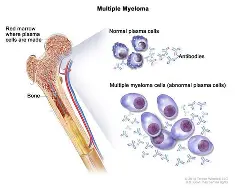
Multiple myeloma is an important topic in hematology and oncology examinations. This lecture explains disease classification, progression, and prognostic markers in a structured and easy-to-follow manner.
Major learning points include:
- Types of multiple myeloma
- IMWG classification
- MGUS, Smoldering Myeloma, and Active Myeloma
- Cytogenetic abnormalities
- IGH translocations
- High-risk and standard-risk disease
- Prognostic implications of genetic abnormalities
A highly recommended session for residents preparing for NEET SS, DM, Internal Medicine, Hematology, and Oncology examinations.
Acute Bacterial Meningitis Explained by Dr. Dilip Kumar
This rapid revision session focuses specifically on acute bacterial meningitis and other important CNS infections frequently encountered in examinations and clinical practice.
Important topics include:
- Acute bacterial meningitis
- Viral versus bacterial meningitis
- Pneumococcal and meningococcal meningitis
- TB meningitis
- Cryptococcal meningitis
- Raised intracranial pressure
- Meningoencephalitis
- Waterhouse-Friderichsen syndrome
- Listeria infections
- Clinical presentation and risk factors
An ideal session for quick revision before examinations while reinforcing practical clinical concepts.
Ready to study smarter and stay ahead?
Clinical Summary of the Month
Among all neurological emergencies, meningitis remains one of the few conditions where early recognition and timely treatment can dramatically improve patient outcomes. A strong understanding of clinical presentation, combined with systematic interpretation of CSF findings, enables clinicians to differentiate bacterial, viral, tuberculous, and fungal meningitis with greater confidence.
This month’s sessions also reinforce the importance of approaching medicine through concepts rather than memorization—whether it is interpreting renal physiology, solving DSD cases, understanding hematological malignancies, or managing CNS infections. Building these foundations not only improves examination performance but also prepares clinicians for better decision-making in everyday practice.
Continue learning, keep strengthening your concepts, and make every session count with Conceptual Medicine.